
Shop recycling and composting bins and bags.
Keep paper, plastics and compostable waste easier to sort.


FAQs
What should be included in a workplace recycling station?
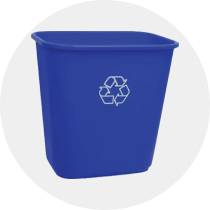
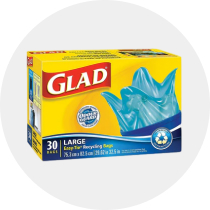
When setting up a recycling station at work, you can include items like recycling bins for paper, cardboard, bottles, cans and waste. Have separate bags and bins for mixed recyclables along with paper and cardboard. You can help keep the area clean and organized by labelling the bins, using bin liners and keeping cleaning supplies nearby like disinfecting wipes, brooms and sweepers.
Where should recycling bins be placed in an office?
Recycling bins and recycling bags should be placed in central, high-traffic zones right next to garbage bins to help encourage people to sort their waste. Recycling bins are also useful to have near computer desks, printers, copy machines, breakrooms, meeting rooms and other frequently used areas. Placing them where waste is created helps make recycling easier for everyone.
Do compost bags actually compost?
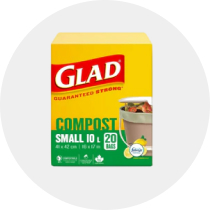
Yes, compost bags are compostable. However, they are only able to break down under precise heat, moisture and microbial conditions found in industrial composting facilities. They are not ideal for household compost piles. True compostable bags are made from biopolymer materials like cornstarch, PLA (polylactic acid) or PBAT rather than standard plastic bags.
What should you never put in a compost bin?
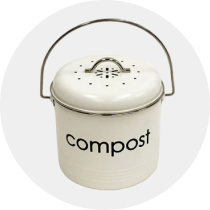
Some materials to avoid putting in a compost bin include meat, fish, dairy, fats, oils, pet waste and diseased plants. Materials like meat, fish and bones decompose slowly, create bad odours and can attract pests like raccoons and rats. Dairy, fats and oils can coat other materials and slow down the compost process. They can also attract pests to your compost. Pet waste and diseased plants are not good for home compost bins because they can carry harmful parasites and fungal spores.