
Everyday Home Furniture
Functional Pieces for Living, Bedroom, and Dining Spaces
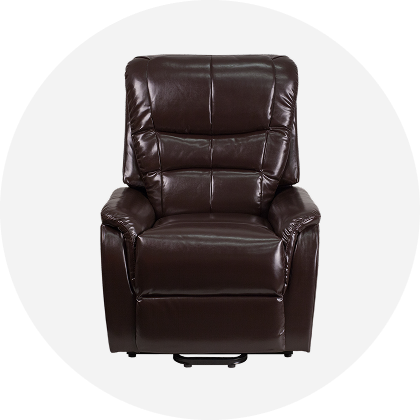
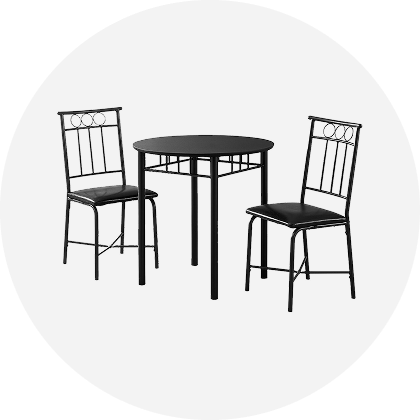
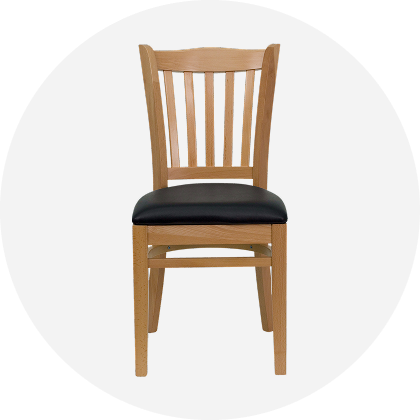
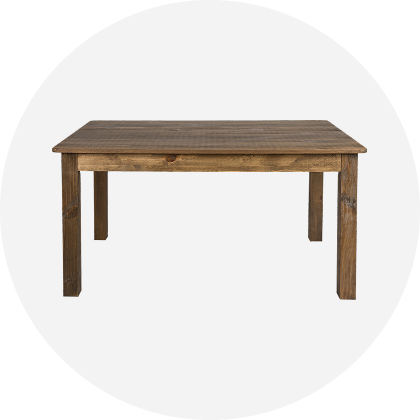
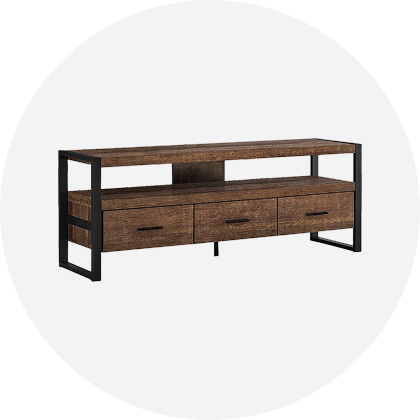
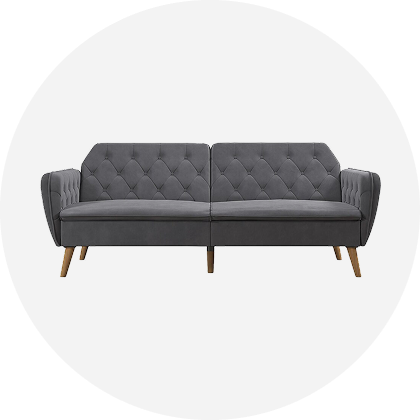
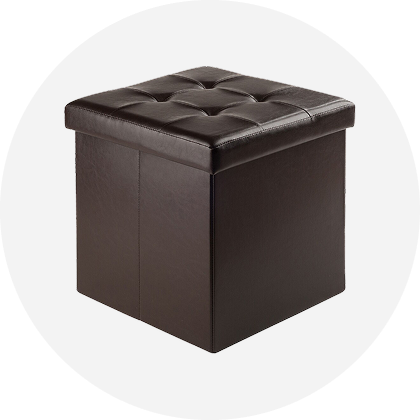
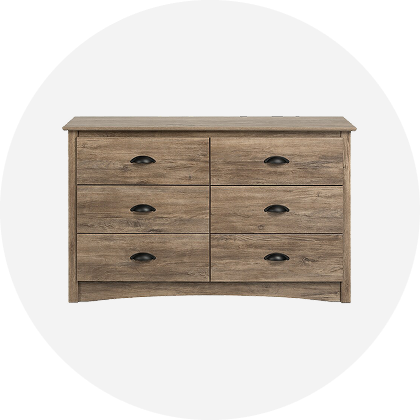
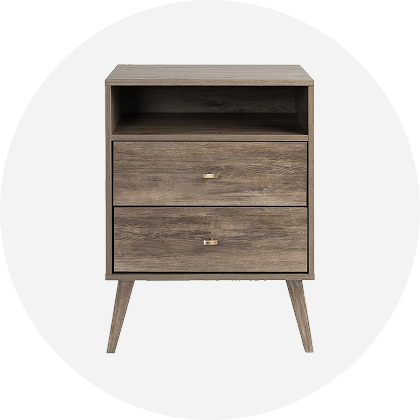
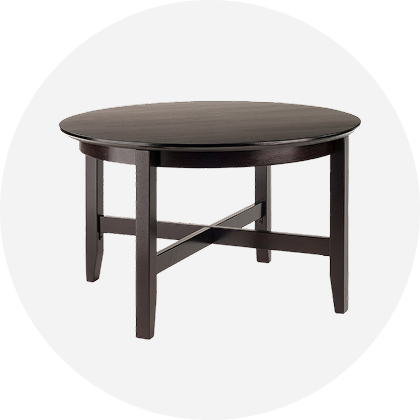


Trending Products in Home Furniture

FAQs
What is the 2/3 Rule?
The 2/3 Rule is a simple design guideline often used in home décor and interior styling to help create visual balance and harmony. It basically means that one item should take up about two-thirds the size of another item it’s paired with or positioned near.
For example, when you're choosing a dining table , the dining chairs you pick should be sized in a way that the overall width of the chairs together (or how many you place on each side) fits about two-thirds of the table's length, this keeps everything looking nicely proportioned. Similarly, if you’ve got a big sofa, a piece of art or a mirror hanging above it should be about two-thirds the width of the sofa to look balanced. Even with recliners, if you're placing a rug underneath them, the rug should ideally be about two-thirds the size of the furniture grouping to keep things looking cohesive. It’s not a hard-and-fast rule, but more of a helpful tip when arranging your space.
How do I pick furniture that goes together?
Choosing furniture that goes together is about creating a space that feels unified and comfortable, rather than making everything match exactly. A good place to start is by settling on a general style or colour palette for the room. Once you have that in mind, you can mix and match different pieces that complement each other in shape, tone, or material.
For example, if your dresser is a natural wood with clean lines, your nightstands don’t have to be part of the same set, but choosing ones with a similar finish or metal detail can help everything feel cohesive. The same goes for your desk, it doesn’t need to match the accent chair perfectly, but they should feel like they belong in the same room, whether through style, texture, or colour.
lighting plays a big role, too. A pair of bedside lamps that echo the finish of your nightstands, or a pendant light above the desk that mirrors some material in the dresser, can tie everything together without being too matchy. Ultimately, it’s about balance and flow.
What is a basic guideline when arranging furniture?
A good basic guideline when arranging furniture is to create a space that feels both functional and visually balanced. Start by identifying the purpose of the room, then arrange your furniture to support that use, while making sure there’s enough room to move around comfortably—generally, leaving about 30 to 36 inches for walkways is a safe bet.
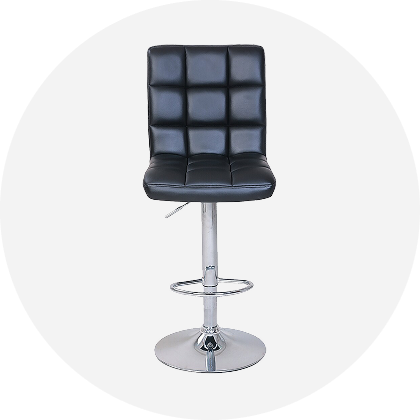
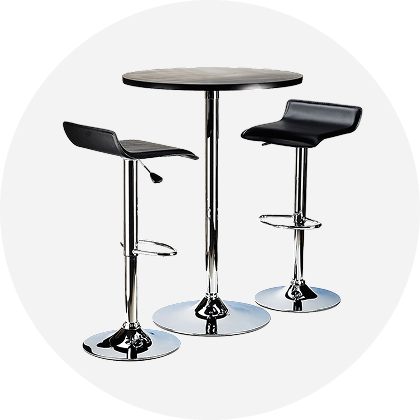
For example, in a kitchen or dining area, bar stools, should be spaced so people have room to sit comfortably, typically about 6 inches between each, and around 24 inches of width per stool. In a living room, a coffee table should sit about 18 inches from the sofa; not too close or too far so it’s within easy reach.
If you’re including an ottoman, think about how it’s being used. If it’s a footrest, place it within reach of the seating. If it doubles as extra seating or a coffee table, give it enough clearance from other furniture so it doesn’t feel crowded.
And when you’re investing in pieces you’ll use regularly like a well-made coffee table, consider getting an extended furniture warranty. It can be a smart way to protect your purchase over time, especially with daily wear and tear. The key is to keep things practical without sacrificing comfort or style.