
Modelling & sculpting supplies for hands-on art
Shop tools for shaping, building and designing.


FAQs
What is the difference between clay and modelling clay?
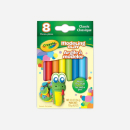
The main difference between clay and modelling clay is that clay used in ceramics and pottery is natural and water-based. It requires firing in a kiln to permanently harden and become waterproof. Modelling clay is typically oil-based or made from synthetic materials. It does not dry out or harden and is meant to be used for temporary sculpting. It is designed to be reused by both kids and adults.
Will modelling clay dry hard?
Standard modelling clay or plasticine is oil-based and is designed to not harden. It is meant to be pliable and reusable, making it ideal for kids to play with, practise skills with or use for temporary sculptures. However, there are specialized types of clay like air-dry clay that can harden on its own. If you want to keep your modelling clay as fresh as possible, you can store it in plastic wrap, resealable plastic bags, or airtight plastic containers. Be sure to store your clay in a cool, dark place away from heat.
What tools are used for sculpting?
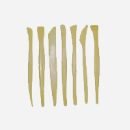
When you’re sculpting with modelling clay, there are a variety of tools to consider based on what you want to create. If you want to precisely cut pieces to work with, consider using clay cutters. For shaping and creating designs, get a good set of modelling tools. You can also use loop tools for carving into the clay and needles for adding finer details.
What are the stages of sculpting?
The main stages of sculpting start with conceptualizing the design, this can be done by planning a design in a sketchbook or notebook. Once you’ve decided on the design and have prepared all the materials and tools, the next step is to start shaping the sculpture. You can use different methods like modelling or carving to put your sculpture together. Once you’re finished, you can refine the details and finish the sculpture through methods like air drying, casting or firing in a kiln.
Can sculpting help kids build fine motor skills?
Yes, sculpting is a great way for children to build fine motor skills as well as create an appreciation of art. Actions like squeezing, rolling and pinching clay or Play-Doh can help strengthen hand muscles, enhance dexterity, improve hand-eye coordination and provide tactile stimulation. These movements can help young kids with tasks like writing and using tools as they get older.