
Reliable Data Storage for Every Need
Shop Hard Drives, Flash Drives, SSDs & More for Secure File Storage


FAQs
What are the three types of data storage?
Data storage is divided into three categories:
Primary storage: Includes RAM and cache memory, which provide fast access to active applications and data.
Secondary storage: Refers to internal and external storage such as hard drives, SSDs, and portable storage devices used to save data long-term.
Tertiary storage: Includes cloud storage and other external backup solutions for added security and data redundancy.
For efficient performance and organization, using a laptop with SSD storage ensures fast access to programs and documents, while cloud storage can act as a remote backup for sensitive files.
What is the difference between a USB stick and an external hard drive?
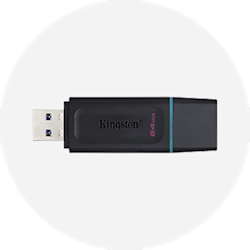
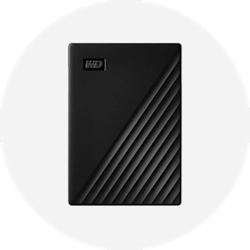
A USB flash drive is a portable and lightweight storage device, ideal for small file transfers and short-term backups. It typically ranges in capacity from 32GB to 512GB, making it convenient for moving documents between devices such as tablets or smartphones. External hard drives, on the other hand, offer significantly higher storage capacities, starting at 1TB, making them suitable for full-system backups and large data storage needs.
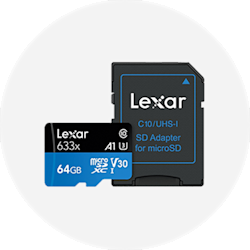
For high-speed transfers, a Thunderbolt-supported external drive is a good choice, while memory cards work well for portable devices like cameras and drones.
How much storage do I need for my files?
The amount of storage you need depends on your usage:
Documents and small files: A 256GB SSD or 128GB USB flash drive is suitable for word documents, PDFs, and spreadsheets.
Media and creative content: 1TB–2TB HDDs or SSDs provide enough space for high-resolution images, videos, and music collections.
Gaming, video editing, and large projects: 4TB+ external storage solutions, combined with cloud storage, ensure ample capacity without sacrificing speed.
For large-scale projects, pairing external storage with an office desk setup that includes an external monitor and high-speed connectivity devices, such as wireless adapters and routers and modems helps with efficient workflow management.